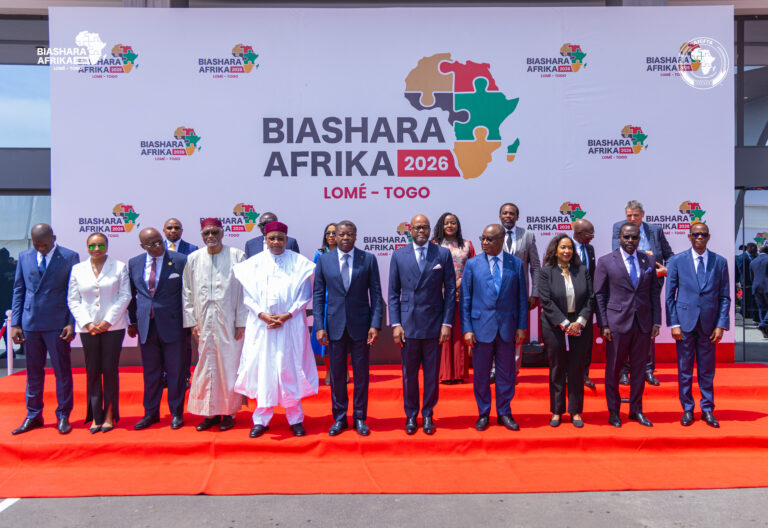
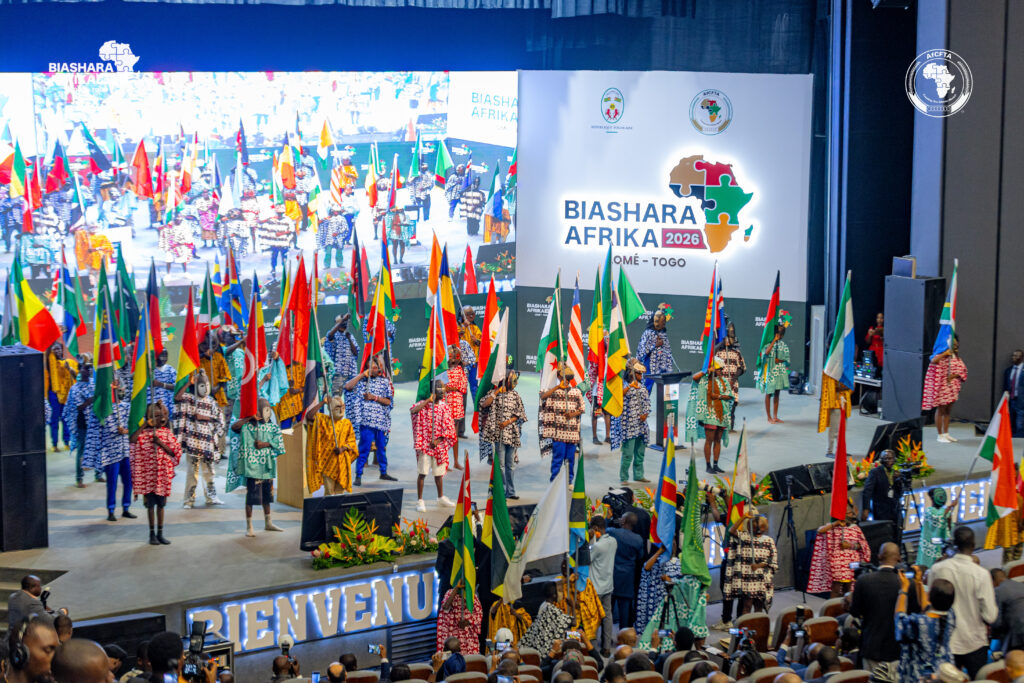
Lomé, Togo, 18 May 2026 – Biashara Afrika 2026, the African Continental Free Trade Area (AfCFTA)’s flagship private sector engagement platform, officially opened today in Lomé, Togo, under the theme “Powering Africa’s Economic Transformation Through the AfCFTA.”
The opening ceremony was presided over by H.E. Faure Essozimna Gnassingbé, President of the Council of the Republic of Togo, and attended by Heads of State and Government, Ministers, business leaders, development partners, investors, entrepreneurs and private sector representatives from across Africa and beyond.
Jointly organised by the AfCFTA Secretariat and the Government of the Republic of Togo, Biashara Afrika 2026 serves as a platform for advancing trade, investment, industrialisation and private sector participation under the AfCFTA.
In his opening address, President Gnassingbé underscored the importance of accelerating the implementation of the AfCFTA and transforming Africa’s integration ambitions into tangible economic outcomes. He highlighted the need to strengthen regional value chains, improve logistics and connectivity, expand industrial capacity and create an enabling environment for African businesses to compete and thrive across the continent.
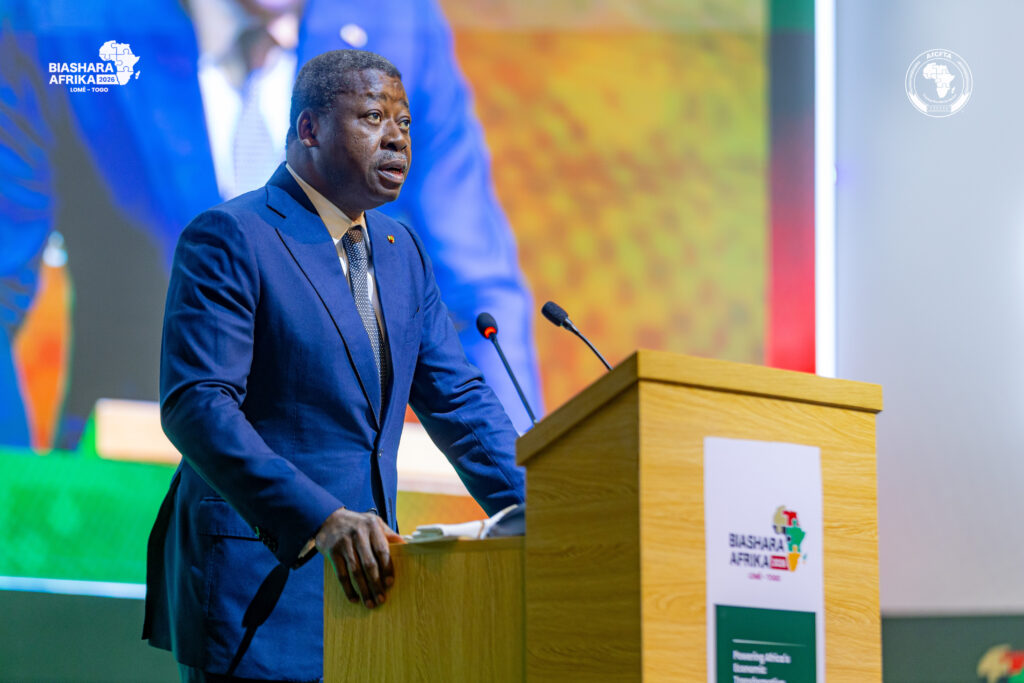
The President further noted that, in an increasingly fragmented global economy, deeper African integration is no longer merely an aspiration but a strategic imperative for enhancing the continent’s resilience, competitiveness and economic sovereignty.
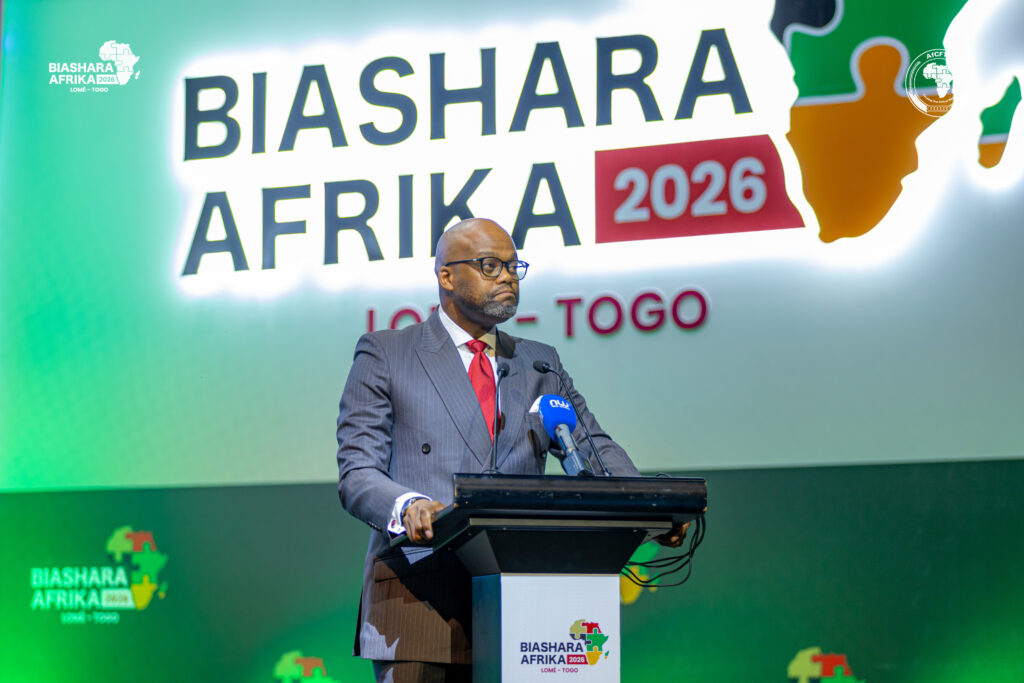
Delivering welcome remarks, H.E. Wamkele Mene, Secretary-General of the AfCFTA Secretariat, expressed appreciation to the Government and people of Togo for hosting the event and reaffirmed the Secretariat’s commitment to supporting the effective implementation of the AfCFTA.
The Secretary-General highlighted the significant progress achieved since the establishment of the AfCFTA Secretariat, including increased utilisation of AfCFTA trading preferences, progress in the negotiation of Rules of Origin and the deployment of key trade facilitation instruments such as the Pan-African Payment and Settlement System (PAPSS), the e-Tariff Book and the online Non-Tariff Barrier reporting mechanism.
He emphasised the critical role of the private sector in driving Africa’s economic transformation and called for greater investment in productive capacity, industrialisation and regional value chains to unlock the full potential of the continental market.
Over the next three days, participants will engage in high-level dialogues, business-to-business meetings, exhibitions, investment discussions and networking sessions focused on unlocking opportunities under the AfCFTA and strengthening intra-African trade.
Biashara Afrika 2026 is expected to catalyse new partnerships, investment opportunities and commercial linkages that will contribute to the implementation of the AfCFTA and the achievement of the African Union’s Agenda 2063 aspirations for a more integrated, prosperous and self-reliant Africa.