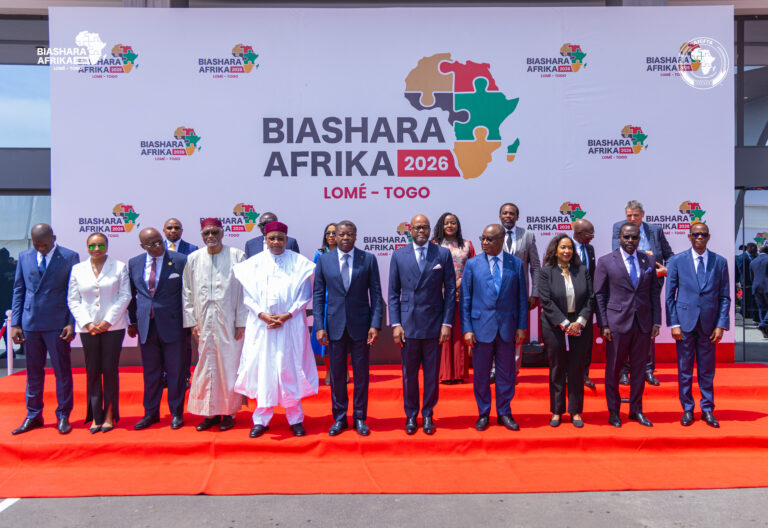
Lomé, Togo, 21 May 2026 – The third edition of Biashara Afrika 2026 concluded on Wednesday 20th 2026 in Lomé, Togo, following three days of high-level dialogue, strategic partnerships, investment engagements, and implementation-focused discussions aimed at accelerating the African Continental Free Trade Area (AfCFTA). The Forum brought together Heads of State and Government, Ministers, business leaders, financial institutions, development partners, SMEs, youth and women entrepreneurs, policymakers, and investors from across the continent and beyond.
Held under the theme “Powering Africa’s Economic Transformation Through the AfCFTA,” Biashara Afrika 2026 focused on advancing the AfCFTA from policy ambition to practical commercial implementation through strengthened public-private sector collaboration, industrialisation, trade facilitation, investment mobilisation, and regional value chain development.
Convened by the AfCFTA Secretariat and hosted by the Government of the Republic of Togo, Biashara Afrika 2026 reflected growing continental momentum toward the operationalisation of Africa’s single market and reinforced the central role of the private sector in driving intra-African trade and economic transformation.
It recorded its highest participation to date, with more than 1,900 participants physically attending the three-day gathering in Lomé, reflecting growing continental and global interest in the implementation of the AfCFTA.
Participants welcomed the Government of the Republic of Togo’s announcement introducing visa-free entry measures for African nationals holding valid passports, describing the decision as a practical and timely contribution toward facilitating the movement of African businesses, investors, and citizens across the continent under the AfCFTA framework. Delegates noted that integration is not only about the movement of goods and capital, but also about enabling Africans to move more freely across Africa.
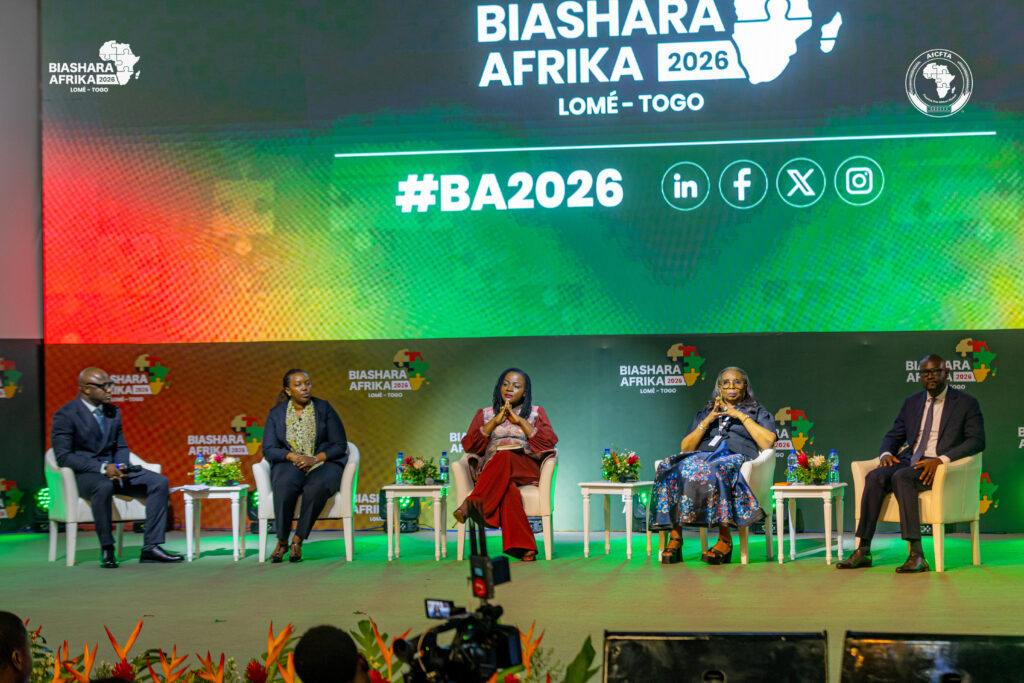
Across plenary sessions, ministerial dialogues, masterclasses, side events, exhibitions, B2B engagements, and investment discussions, participants focused on practical solutions to the barriers limiting intra-African trade, including logistics constraints, fragmented payment systems, customs procedures, financing gaps, and non-tariff barriers. Delegates emphasised that the AfCFTA has now entered a decisive implementation phase requiring coordinated action between governments, financial institutions, infrastructure providers, and African businesses.
Key discussions during the Forum explored strategic sectors and implementation priorities, including regional value chains, customs harmonisation, digital trade, trade facilitation, agriculture and food systems, industrialisation, Special Economic Zones, infrastructure corridors, interoperable cross-border payment systems, SME financing, and women and youth participation in trade.
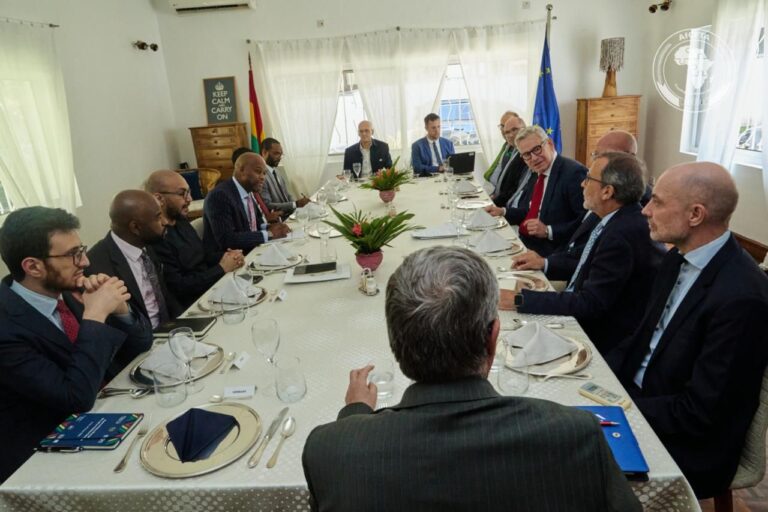
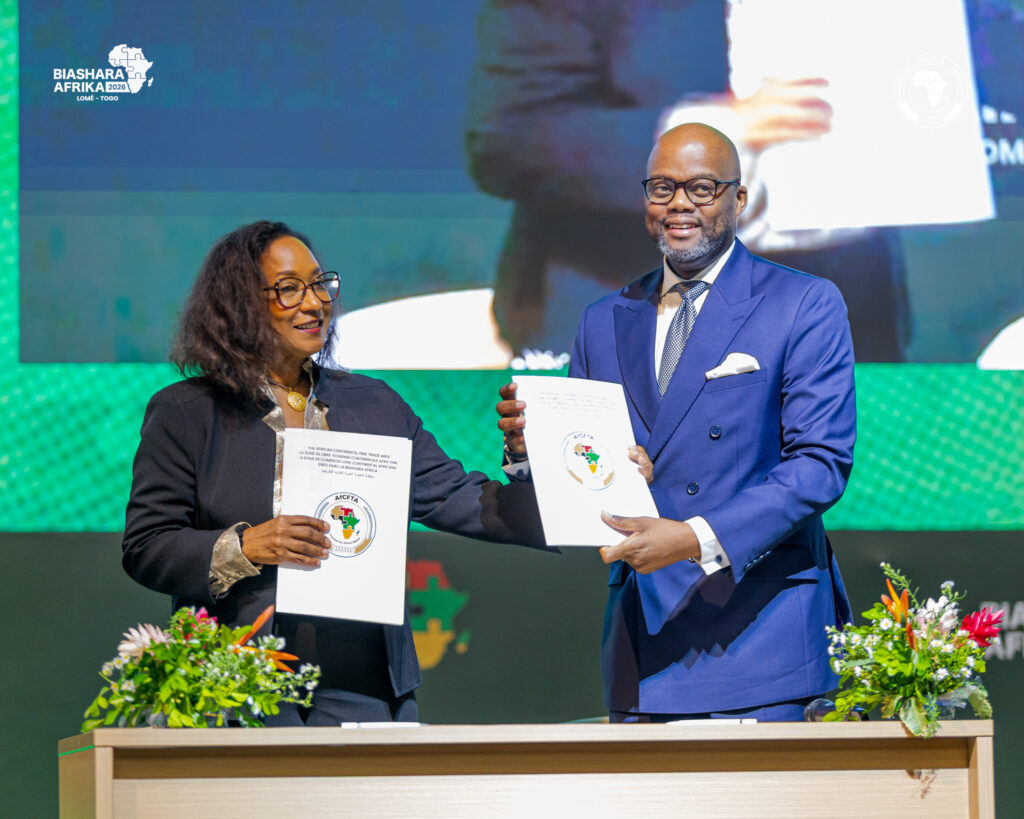
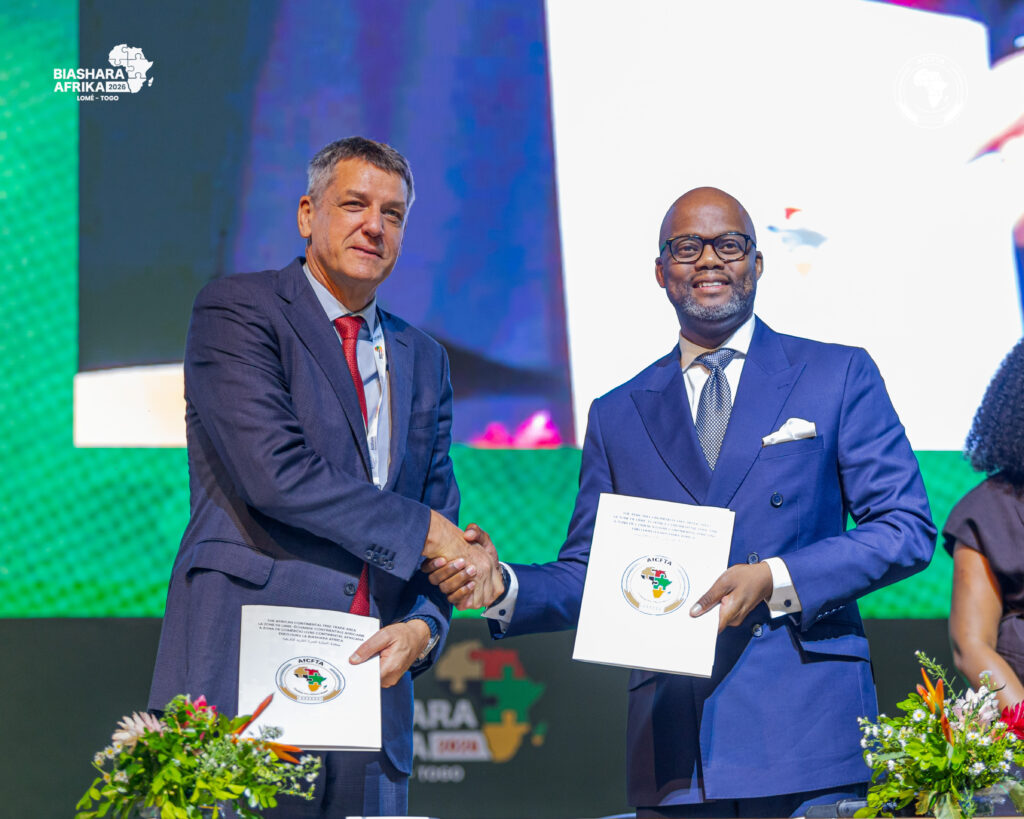
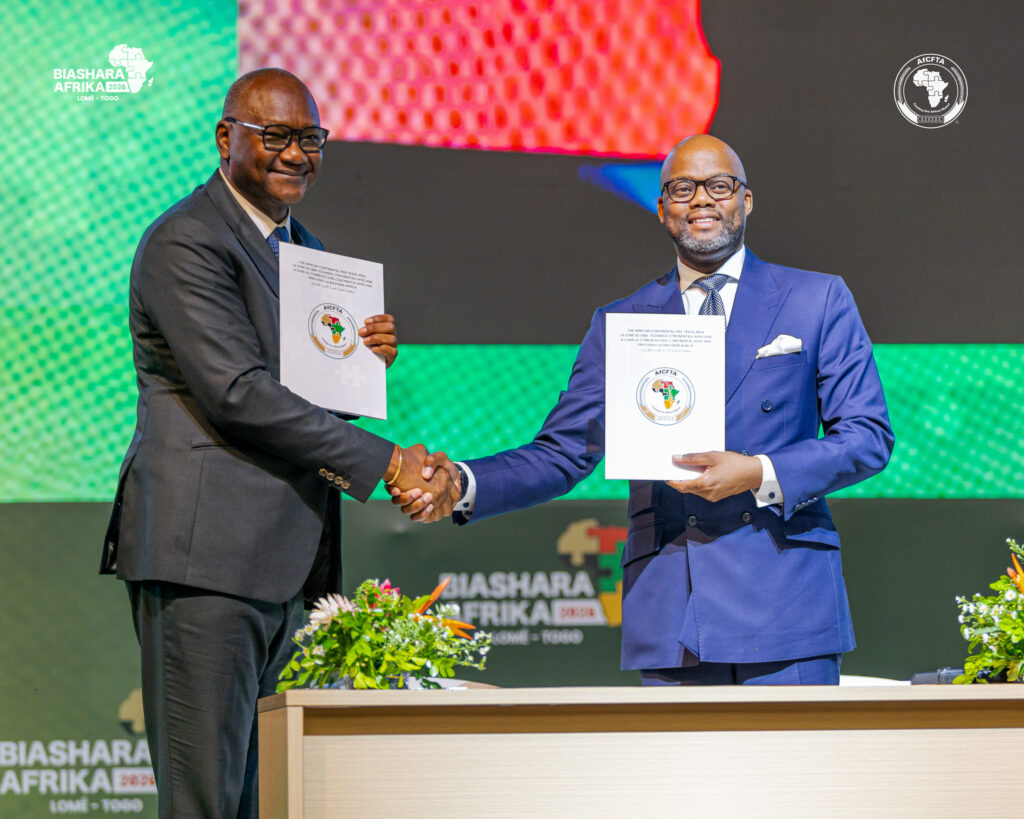
The Forum also resulted in the signing of several strategic partnerships and Memoranda of Understanding aimed at supporting the implementation of the AfCFTA and strengthening Africa’s trade ecosystem. These included partnerships between the AfCFTA Secretariat and the International Trade Centre (ITC), Ecobank Group, Rendeavour, Africa Global Logistics (AGL), and other partners focused on trade finance, logistics, SME support, industrialisation, investment, and market integration.
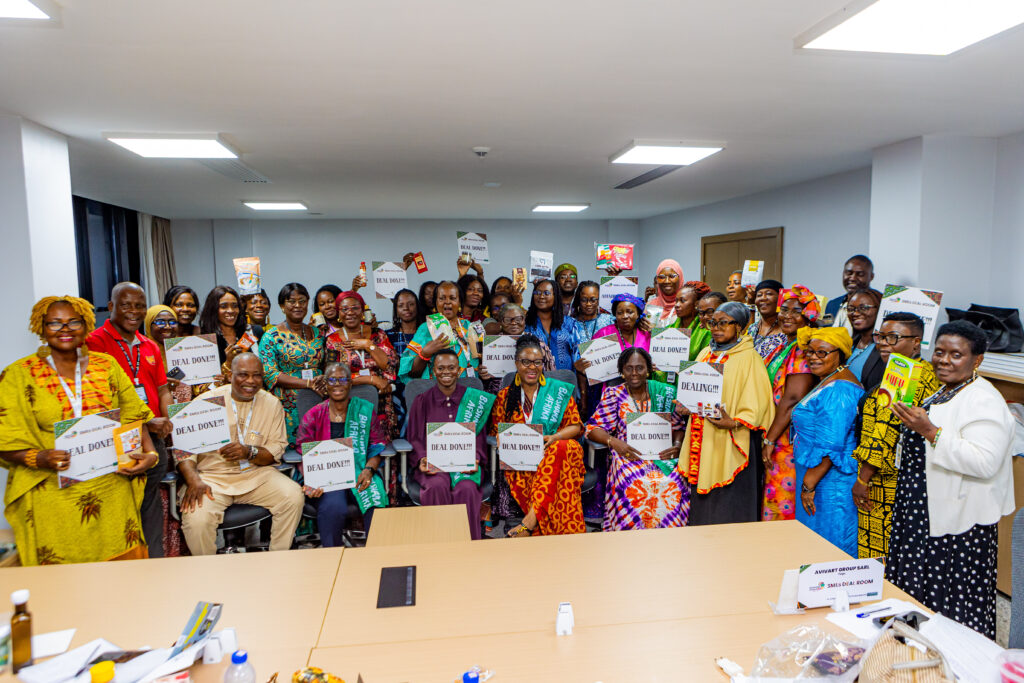
The Biashara SME Market Access and Deal Room moved beyond traditional networking to facilitate meaningful commercial engagement and business linkages among participating enterprises. The Forum created opportunities for partnerships, market access, and business matchmaking, while reinforcing the importance of institutionalising a permanent AfCFTA Deal Room as a year-round mechanism connecting SMEs, women and youth entrepreneurs, buyers, investors, and distribution networks across Africa.
Strong momentum also emerged around practical implementation mechanisms under the AfCFTA. Through the AfCFTA Trade Facilitation Platform, Nigeria announced readiness to pilot the AfCFTA Electronic Certificate of Origin and Simplified Trade Regime, while Cabo Verde announced readiness to pilot the Authorised Economic Operator Programme. Stakeholders also advanced discussions on One-Stop Border Posts and the Single Bond Guarantee initiative aimed at reducing border delays, lowering trade costs, and facilitating the movement of goods across the continent.
Participants also engaged on practical implementation tools supporting digital trade and seamless cross-border payments, including the Pan-African Payment and Settlement System (PAPSS), the African Trade Gateway, the AfCFTA e-Tariff Book, ITC market intelligence platforms, and Ecobank’s Single Market Trade Hub. Delegates emphasised that Africa’s competitiveness will increasingly depend not only on physical infrastructure such as roads, ports, and corridors, but also on digital connectivity, interoperable payment systems, and digital trade platforms.
Throughout the conference, delegates underscored a growing continental consensus that Africa’s economic transformation will depend not only on market access, but on the continent’s ability to build competitive regional value chains, strengthen industrial capacity, improve logistics connectivity, support digital trade, reduce the cost of doing business, and enable African enterprises to scale across borders.
Speaking at the conclusion of the Forum, H.E. Wamkele Mene, Secretary-General of the AfCFTA Secretariat, stated:
“Biashara Afrika 2026 has demonstrated that the AfCFTA is no longer a future ambition, but a market taking shape through partnerships, investments, infrastructure, digital innovation, and private sector leadership. The conversations in Lomé were not about possibility, but about execution.”
He added:
“Africa’s economic transformation will ultimately depend on our ability to enable African businesses to trade at scale across the continent. The progress witnessed during the Biashara Afrika 2026 reflects growing confidence in the AfCFTA and a shared determination to build an integrated, competitive, and resilient African market.”
The conference also reinforced the importance of Africa-led industrialisation, regional production systems, and stronger private sector ecosystems as key drivers of implementation under the AfCFTA. Participants further called for greater support for SMEs, women and youth entrepreneurs, improved access to finance, and stronger storytelling around African businesses and industries emerging under the AfCFTA framework.
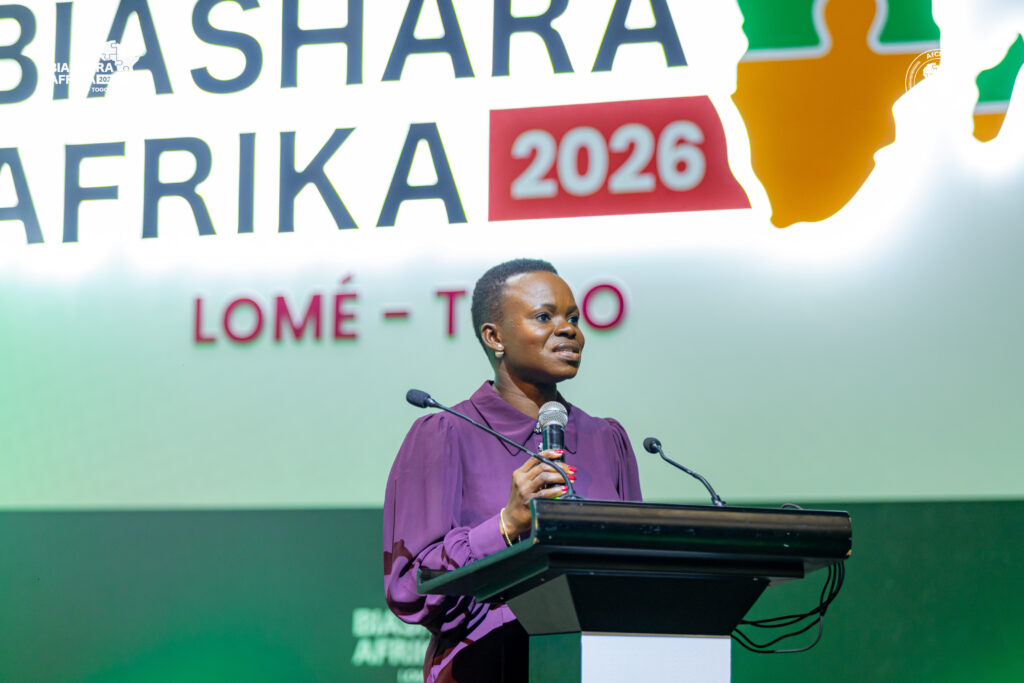
As Biashara Afrika 2026 concluded, participants reaffirmed their commitment to deepening intra-African trade, strengthening public-private sector collaboration, mobilising investment into productive sectors, and accelerating implementation of the AfCFTA as a key driver of Africa’s industrialisation, competitiveness, and long-term economic transformation.