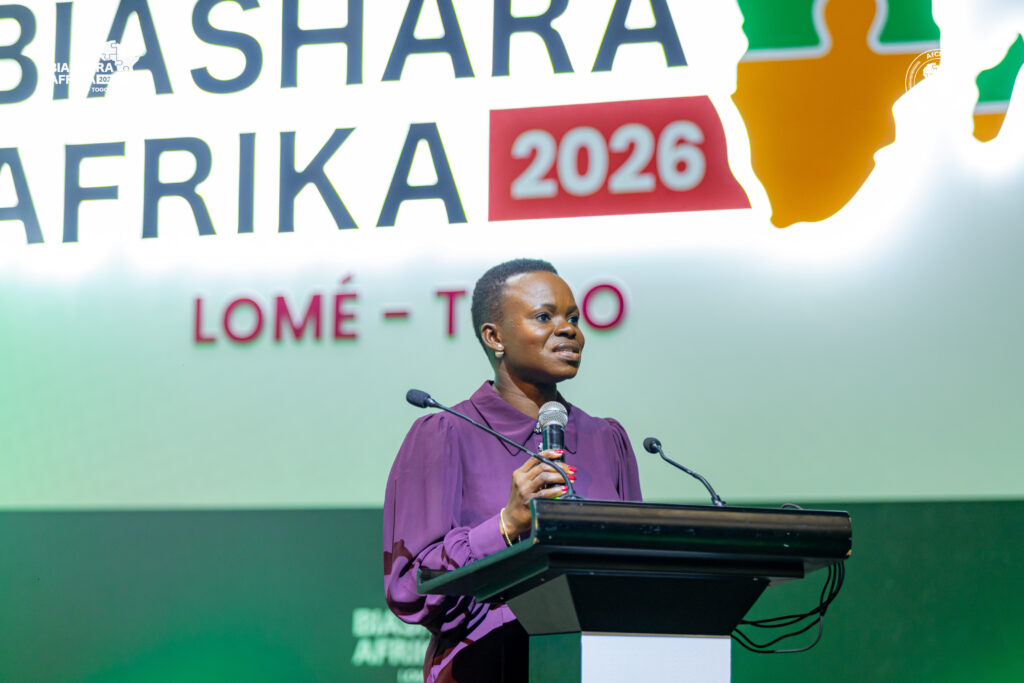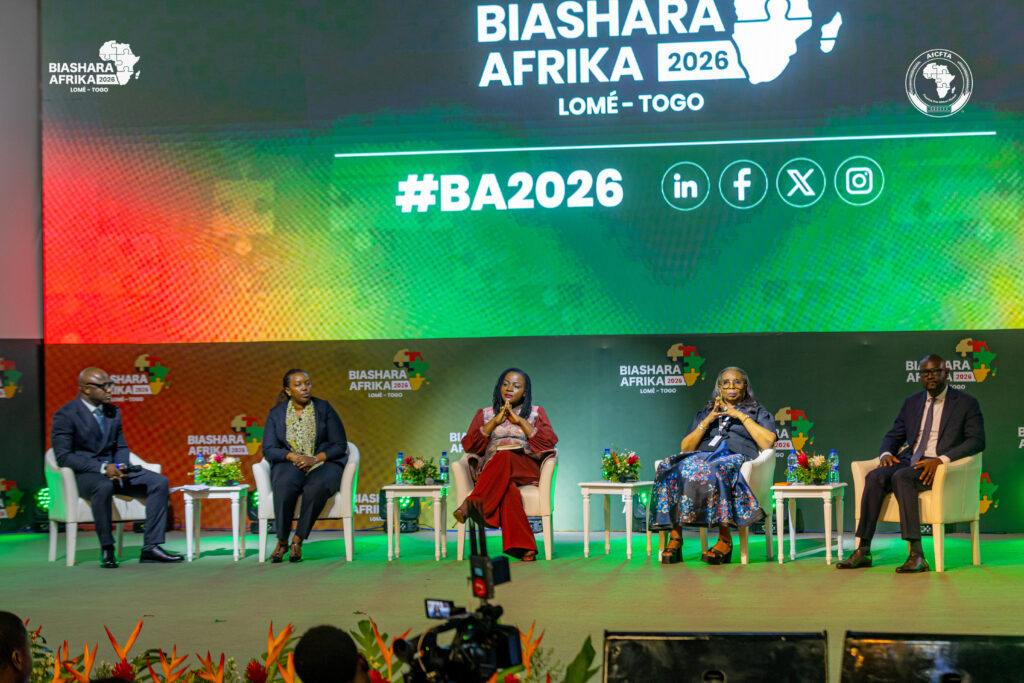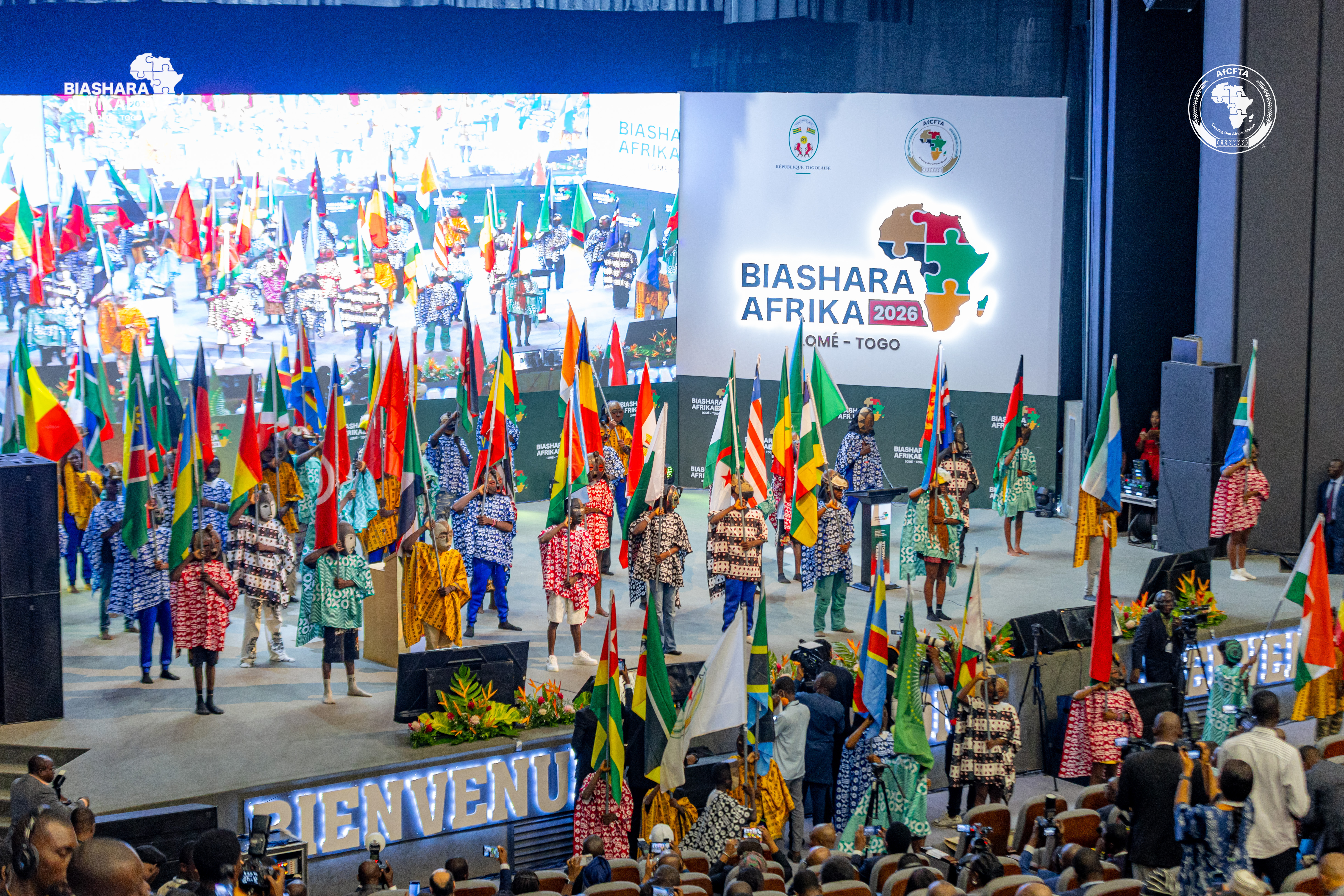
Lomé, Togo, 20 May 2026 – The third edition of Biashara Afrika 2026 concluded today in Lomé, Togo, after three days of high-level dialogue, business engagement and strategic discussions focused on advancing the implementation of the African Continental Free Trade Area (AfCFTA).
Held under the theme “Powering Africa’s Economic Transformation Through the AfCFTA,” the event brought together Heads of State and Government, Ministers, policymakers, business leaders, investors, development partners, entrepreneurs and private sector representatives from across Africa and beyond.
Throughout the three-day programme, participants explored practical pathways to accelerate intra-African trade, strengthen regional value chains, promote industrialisation and unlock investment opportunities across key sectors of the African economy.
The final day focused on the role of the private sector in driving implementation of the AfCFTA, with discussions centred on scaling African businesses, improving access to trade finance, strengthening logistics and distribution networks, supporting small and medium-sized enterprises (SMEs), and creating an enabling environment for cross-border trade. Participants emphasised that while the legal and institutional foundations of the AfCFTA are in place, the next phase of implementation will depend on the ability of businesses to trade, invest and grow across African markets.
Speakers highlighted the importance of building trust, improving access to finance, strengthening productive capacity, investing in digital systems and supporting businesses to become export-ready. Discussions also underscored the critical role of trading companies, aggregators, financial institutions and business support organisations in helping African enterprises access regional markets and participate more effectively in continental value chains.
Participants further called for greater collaboration between governments and the private sector to address barriers to trade, improve predictability in cross-border commerce and strengthen the conditions necessary for businesses to operate competitively across the continent.
The closing sessions also examined financing Africa’s industrial transformation, with stakeholders highlighting the need for innovative financing mechanisms, stronger partnerships between public and private institutions and increased investment in infrastructure, manufacturing and productive sectors to support Africa’s industrialisation agenda.
As Biashara Afrika 2026 concluded, participants reaffirmed their commitment to translating policy into action and ensuring that the opportunities created by the AfCFTA deliver tangible benefits for businesses, entrepreneurs and communities across Africa.
Biashara Afrika 2026 was jointly organised by the AfCFTA Secretariat and the Government of the Republic of Togo and served as a platform for strengthening partnerships, fostering investment and advancing Africa’s economic integration agenda.